


Program Mission
To prepare academically and professionally competent forensic medicine specialists who contribute to the legal system and public health by delivering accurate medico-legal assessments, upholding ethical standards, and advancing forensic sciences through education and research.
Program Aims
1
Provide advanced knowledge and practical skills in forensic pathology, toxicology, and medical jurisprudence.
2
Train competent specialists to conduct postmortem examinations, injury documentation, and medico-legal reporting.
3
Promote ethical practices and integrity in legal-medical evaluations.
4
Develop research competencies to contribute to forensic science and public health safety.
5
Support multidisciplinary collaboration with judicial, legal, and law enforcement entities.
6
Equip graduates for roles in academic, investigative, and consultancy capacities in forensic medicine.
Program Information
Study system
Semesters-based credit hour system with clinical practicum and thesis
coordinator
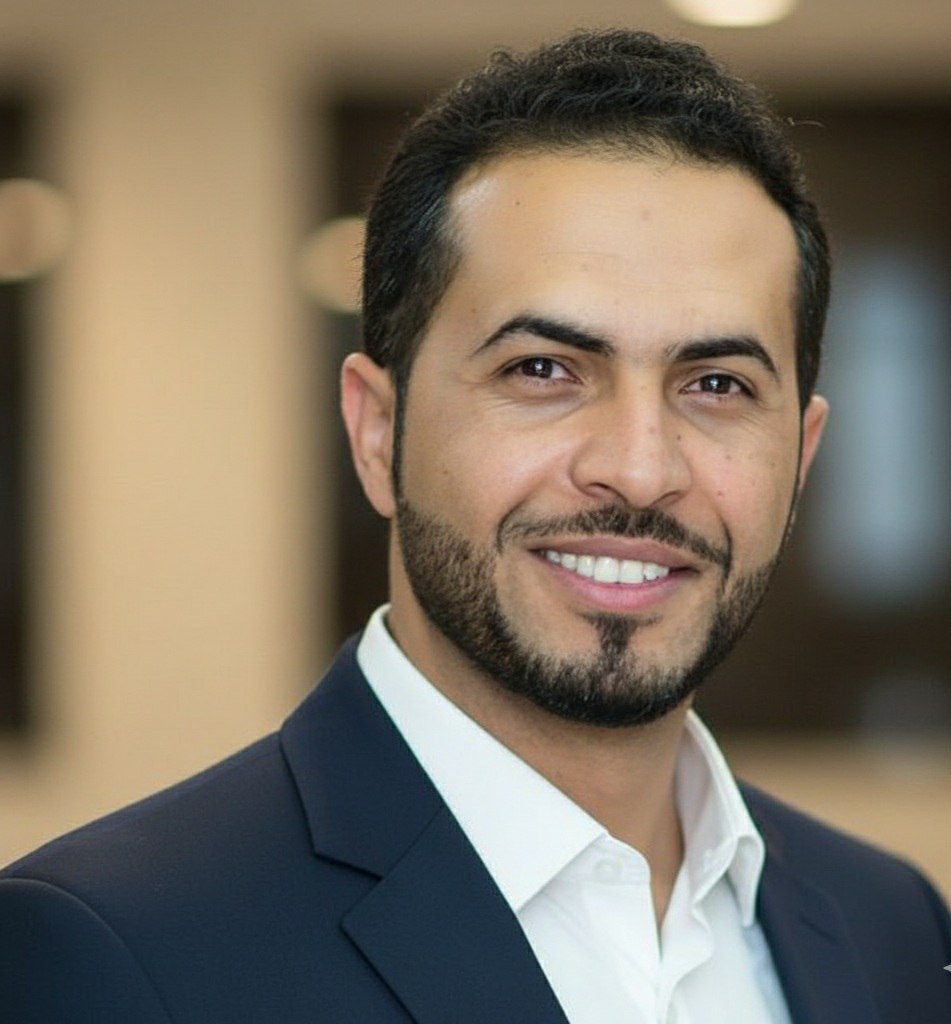
Munira Shaher
Number of years needed for completion of the program
5 years
Intended Learning Outcomes (ILOs)
A. Knowledge and Understanding
Upon completion of the program, the graduate will be able to:
- • A1. Describe the structure and function of the human body with relevance to forensic practice.
- • A2. Explain the medico-legal aspects of death, injury, abuse, and poisoning.
- • A3. Understand the legal and ethical responsibilities of a forensic physician in criminal investigations.
- • A4. Discuss national and international standards in forensic science and medical jurisprudence.
- • A5. Identify forensic indicators in pathology, toxicology, and anthropology.
B. Cognitive (Intellectual) Skills
Graduates will be able to:
- • B1. Analyze and interpret forensic evidence, including autopsy findings, toxicology reports, and injury patterns.
- • B2. Formulate scientifically justified medico-legal opinions.
- • B3. Evaluate conflicting medical and legal data in complex cases.
- • B4. Design and conduct research relevant to forensic medicine and criminal justice.
C. Practical and Clinical Skills
Graduates will be able to:
- • C1. Perform complete forensic autopsies and postmortem examinations.
- • C2. Collect and preserve physical and biological evidence properly.
- • C3. Document and analyze wounds, injuries, and suspicious deaths.
- • C4. Conduct medico-legal assessments in cases of assault, sexual violence, and child abuse.
- • C5. Draft formal medico-legal reports and testify in court.
D. General and Transferable Skills
Graduates will be able to:
- • D1. Communicate effectively with legal authorities, law enforcement, and health professionals.
- • D2. Work collaboratively within multidisciplinary forensic and investigative teams.
- • D3. Apply ethical reasoning and legal awareness in all medico-legal duties.
- • D4. Engage in self-learning, research dissemination, and continuous professional development.
