


Program Mission
To prepare highly skilled cardiovascular surgeons who possess advanced scientific knowledge, clinical competence,and ethical values to meet the growing demands of cardiovascular care in Yemen and the region. The program emphasizes evidence-based education, hands-on surgical training, and research innovation to improve patient outcomes and contribute to national health priorities.
Program Information
Study system
Semester-based system with credit hours and clinical rotations
coordinator
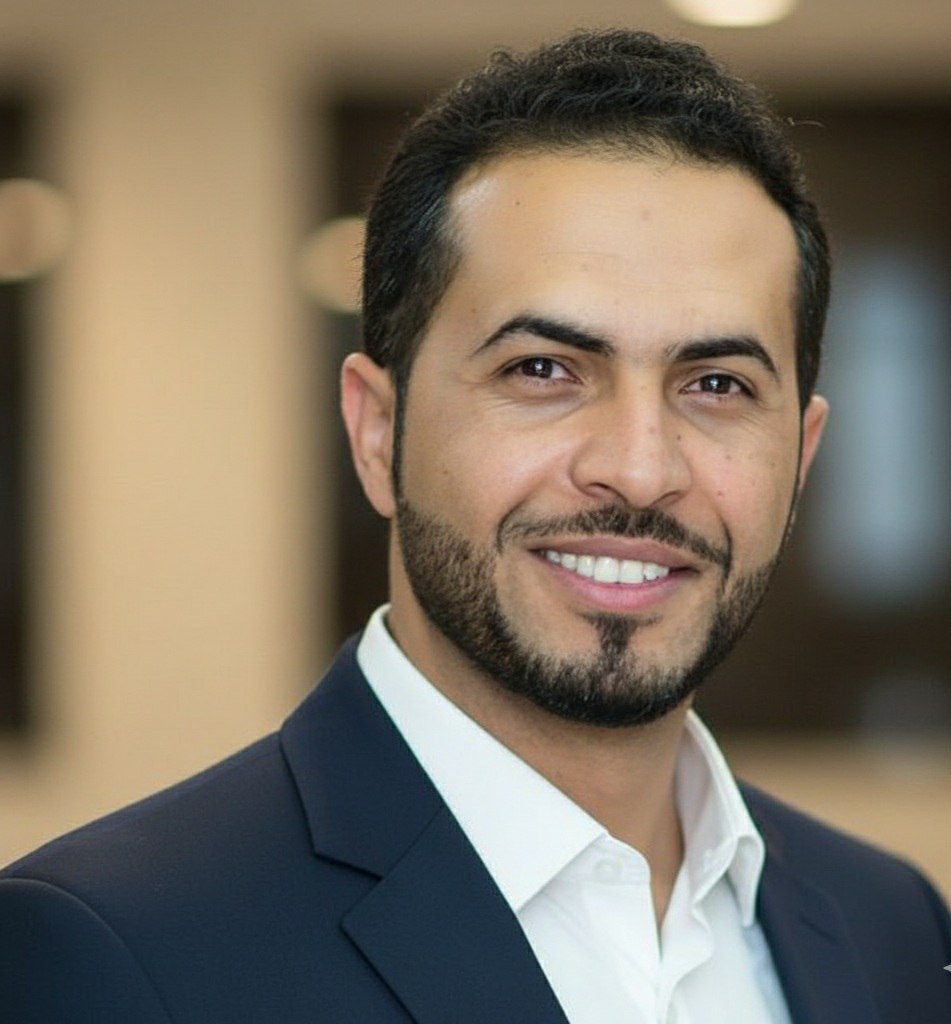
Aba Zaid Al-Kindi
Program Aims
1
Provide postgraduate students with a rigorous and up-to-date academic foundation in cardiovascular surgery, integrating theory with clinical and operative practice.
2
Equip students with the practical and professional skills required to perform a wide range of cardiovascular surgical procedures independently and safely.
3
Foster a research-oriented environment that encourages students to investigate local cardiovascular health issues, contribute to the scientific community, and implement innovative solutions.
4
Promote adherence to ethical standards, patient-centered care, and responsible medical conduct throughout clinical practice.
5
Prepare graduates to actively engage in national and regional efforts to prevent and manage cardiovascular diseases through education, outreach, and clinical service.
6
Encourage lifelong learning and professional development through continuing medical education, participation in conferences, and collaboration with local and international institutions.
Graduated Attitudes
A) Core Medical Knowledge
- 1. In-depth Specialization:
• Comprehensive knowledge of cardiovascular diseases and circulatory system disorders.
• Understanding the mechanisms and progression of these diseases. - 2. Surgical Skills:
• Mastery of open and minimally invasive surgical techniques.
• Proficiency in using advanced surgical instruments.
• Ability to handle emergency situations with precision and speed. - 3. Diagnostic Skills:
• Analysing diagnostic results (e.g., CT scans, MRI).
• Developing appropriate treatment plans for patients. - 4. Continuous Learning:
• Staying updated with scientific and technological advancements in cardiac surgery.
• Attending conferences and research seminars.
• Reading recent medical research.
B) Personal and Professional Attributes
- 1. Leadership and Teamwork:
• Leading a multidisciplinary medical team.
• Coordinating efforts effectively. - 2. Decision-Making Ability:
• Maintaining calmness in critical situations.
• Making decisive decisions during surgical procedures. - 3. Empathy and Communication Skills:
• Building trust with patients and their families.
• Explaining case details and treatment options clearly. - 4. Professional Ethics:
• Adhering to the highest standards of professional ethics.
• Ensuring patient safety and well-being.
• Maintaining confidentiality of patient information.
C) Tasks and Responsibilities
- 1. Patient Evaluation and Diagnosis: Evaluating patients and diagnosing cardiovascular diseases.
- 2. Surgical Planning: Developing appropriate surgical plans for patients.
- 3. Performing Surgeries: Conducting cardiac and vascular surgeries.
- 4. Post-Surgical Care: Monitoring patients after surgery and providing necessary care.
- 5. Participation in Medical Research: Engaging in medical research and developing surgical practices.
Intended Learning Outcomes (ILOs)
Knowledge and Understanding (A)
- A1: Describe advanced anatomical and physiological concepts related to the cardiovascular system.
- A2: Explain the pathophysiology and classification of major cardiovascular diseases.
- A3: Discuss diagnostic procedures and treatment modalities in cardiovascular surgery.
- A4: Recognize the principles of perioperative care, pharmacology, and critical care relevant to surgical patients.
- A5: Understand current research trends and evidence-based practices in cardiovascular surgery.
Cognitive (Intellectual) Skills (B)
- B1: Analyze complex clinical scenarios and formulate appropriate surgical plans.
- B2: Evaluate diagnostic imaging and investigation results for surgical decision-making.
- B3: Solve problems related to complications, emergencies, and comorbidities in cardiovascular patients.
- B4: Critically appraise scientific literature and apply research findings to practice.
Practical and Clinical Skills (C)
- C1: Perform cardiovascular surgical procedures with technical proficiency under supervision.
- C2: Use and interpret intraoperative tools and monitoring systems accurately.
- C3: Apply proper infection control and patient safety measures in surgical settings.
- C4: Document and maintain accurate surgical records and case reports.
- C5: Conduct clinical research in the field of cardiovascular surgery.
General and Transferable Skills (D)
- D1: Communicate effectively with patients, families, and the healthcare team.
- D2: Work collaboratively in multidisciplinary teams.
- D3: Manage time and clinical responsibilities efficiently.
- D4: Demonstrate commitment to lifelong learning and continuous self-improvement.
