


Program Mission:
To graduate exceptional and advance clinician-scientists in the field of orthopedic surgery through rigorous research and evidence-based practice, deliver comprehensive, patient-centered musculoskeletal care and contribute to the global body of knowledge in orthopedic and traumatology science.
Program Aims:
1.
Develop surgeons capable of managing complex orthopedic and trauma cases through mastery of surgical procedures and proficiency in both conventional and emerging surgical techniques.
2.
Foster research skills to conduct high-impact clinical and translational studies, Publish in peer-reviewed journals and contribute to national and international treatment guidelines.
3.
Prepare graduates for roles as educators in academic medical centers, leaders in professional societies and mentors for future orthopedic surgeons.
4.
Instill a commitment to critical appraisal of medical literature, application of best practices in patient care and continuous professional development.
5.
Address worldwide musculoskeletal health needs through research on region-specific trauma patterns, development of context-appropriate treatment protocols, and collaboration with international orthopedic organizations.
Program Information
Study system:
Semesters
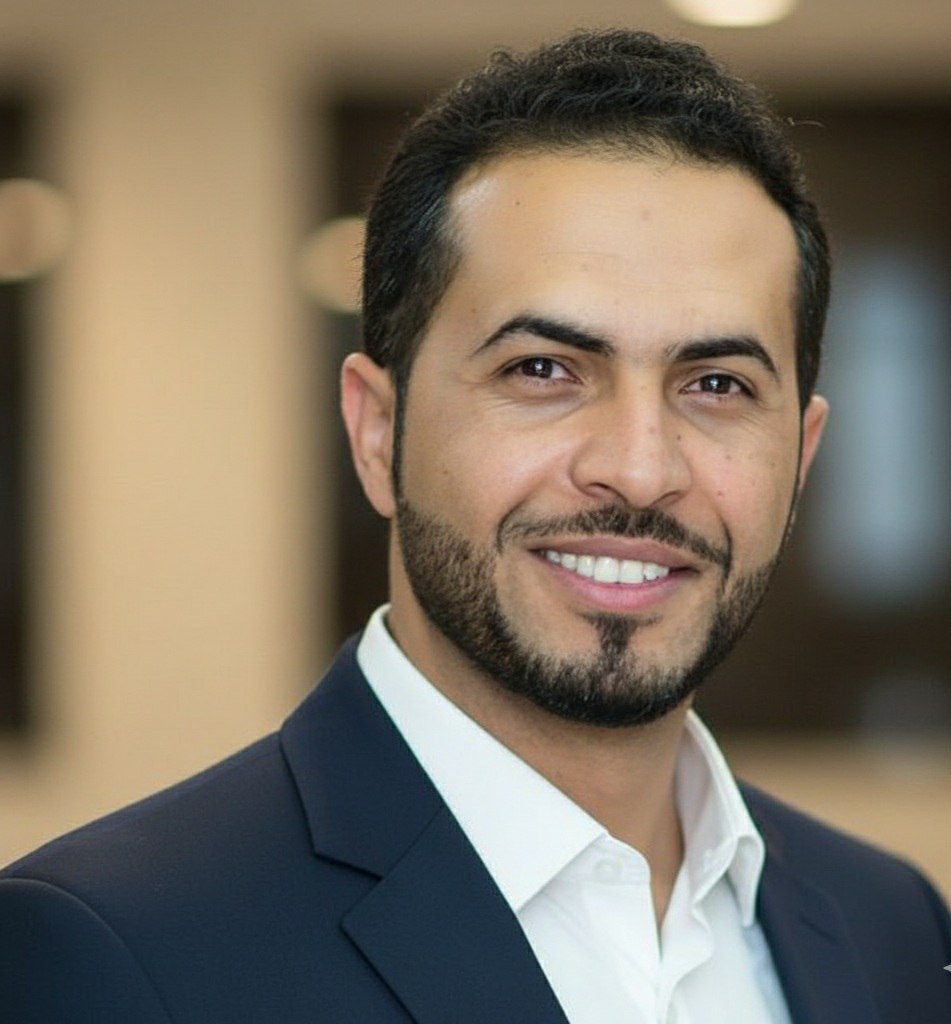
coordinator:
Khaled Al-Nuzaili
Graduated Attitudes
Core Medical and Technical Skills
- 1. In-depth Medical and Surgical Knowledge:
– Comprehensive understanding of bone, and muscle conditions and orthopedics surgical diseases. - 2. Diagnostic and Analytical Skills:
– Strong ability to diagnose and analyze complex medical orthopedics issues. - 3. Manual Dexterity and Hand-Eye Coordination:
– Excellent fine motor skills and hand-eye coordination. - 4. Proficiency in Orthopedic Equipment and Devices:
– Thorough knowledge of medical equipment and devices used in orthopedics.
Personal Skills
- 1. Attention to Detail:
– Ability to maintain focus and attention to detail in a fast-paced environment. - 2. Empathy and Communication:
– Ability to show compassion towards patients and possess strong verbal and written communication skills. - 3. Patience and Adaptability:
– Patience in managing patient care and adaptability in high-pressure situations. - 4. Teamwork and Flexibility:
– Ability to work effectively in emergency situations and collaborate with a multidisciplinary medical team. - 5. Commitment to Continuous Learning:
– Dedication to staying updated with the latest advancements in orthopedics and actively participating in professional development activities.
Intended Learning Outcomes (ILOs)
A) Knowledge and Understanding
- A1 Demonstrate comprehensive knowledge of the scientific principles underlying orthopedic surgery, including musculoskeletal anatomy, biomechanics, pathophysiology, and surgical methodology.
- A2 Understand the complex pathophysiology of musculoskeletal disorders and trauma, with emphasis on emerging trends in the field.
- A3 Exhibit in-depth knowledge of both conventional and advanced surgical techniques for the treatment of orthopedic conditions.
- A4 Recognize and apply evidence-based practices to patient management, ensuring the highest standard of musculoskeletal care.
B) Intellectual Skills
- B1 Critically analyze and interpret medical literature to guide evidence-based clinical decision-making in orthopedic surgery.
- B2 Design and conduct high-quality research, focusing on clinical and translational studies relevant to musculoskeletal health.
- B3 Evaluate and integrate the latest advancements in orthopedic techniques and technologies into clinical practice.
- B4 Solve complex clinical problems using a systematic approach that integrates knowledge from various fields of orthopedic surgery.
- B5 Develop hypotheses, design experiments, and interpret results within the context of musculoskeletal diseases and trauma.
C) Professional and Practical Skills
- C1 Perform a thorough musculoskeletal examination, assess injury severity, and make appropriate clinical decisions for patient management.
- C2 Master advanced surgical techniques, including minimally invasive and robotic-assisted procedures, in both elective and trauma-related surgeries.
- C3 Manage orthopedic emergencies, including fractures, dislocations, and soft tissue injuries, with competence and confidence.
- C4 Exhibit proficiency in the use of orthopedic imaging tools, including radiography, MRI, CT, and ultrasound, for diagnosis and treatment planning.
- C5 Apply principles of biomechanical analysis to understand and correct musculoskeletal dysfunctions.
- C6 Demonstrate effective communication skills with patients, families, and multidisciplinary healthcare teams, ensuring a collaborative approach to care.
D) General Skills
- D1 Communicate effectively in both written and oral formats with peers, healthcare professionals, and the broader scientific community.
- D2 Demonstrate a lifelong commitment to professional development through continuous learning and participation in academic and professional activities.
- D3 Manage time effectively to balance clinical, research, and educational responsibilities.
- D4 Demonstrate leadership and initiative in both clinical and academic settings, contributing to team success and program development.
