


Program Mission
The mission of the MD Ophthalmology Surgery Program is to prepare a new generation of physician-scientists who are equipped with advanced clinical expertise in ophthalmology Surgery and strong scientific research capabilities. The program aims to integrate medical education with innovative research to address national and global challenges in eye health. It emphasizes ethical practice, evidence-based care, and academic leadership, in alignment with the Faculty of Medicine’s commitment to excellence, creativity, and societal responsibility.
Program Objectives
Objective 1
To graduate ophthalmologist-scientists with dual competencies in clinical care and research, capable of delivering high-quality patient services and contributing to scientific advancement in eye health
Objective 2
To foster innovation and research excellence by engaging students in high-impact ophthalmic research that addresses real-world health problems and improves patient outcomes
Objective 3
To promote professional ethics, accountability, and leadership in both clinical and academic settings, supporting a culture of transparency and responsibility
Objective 4
To encourage interdisciplinary teamwork and lifelong learning, enabling graduates to effectively collaborate within healthcare systems and stay current with evolving medical and scientific knowledge
Program Information
Study System
Semesters
Graduate Awarded
Medical Doctorate (MD) in Ophthalmology Surgery
Coordinator
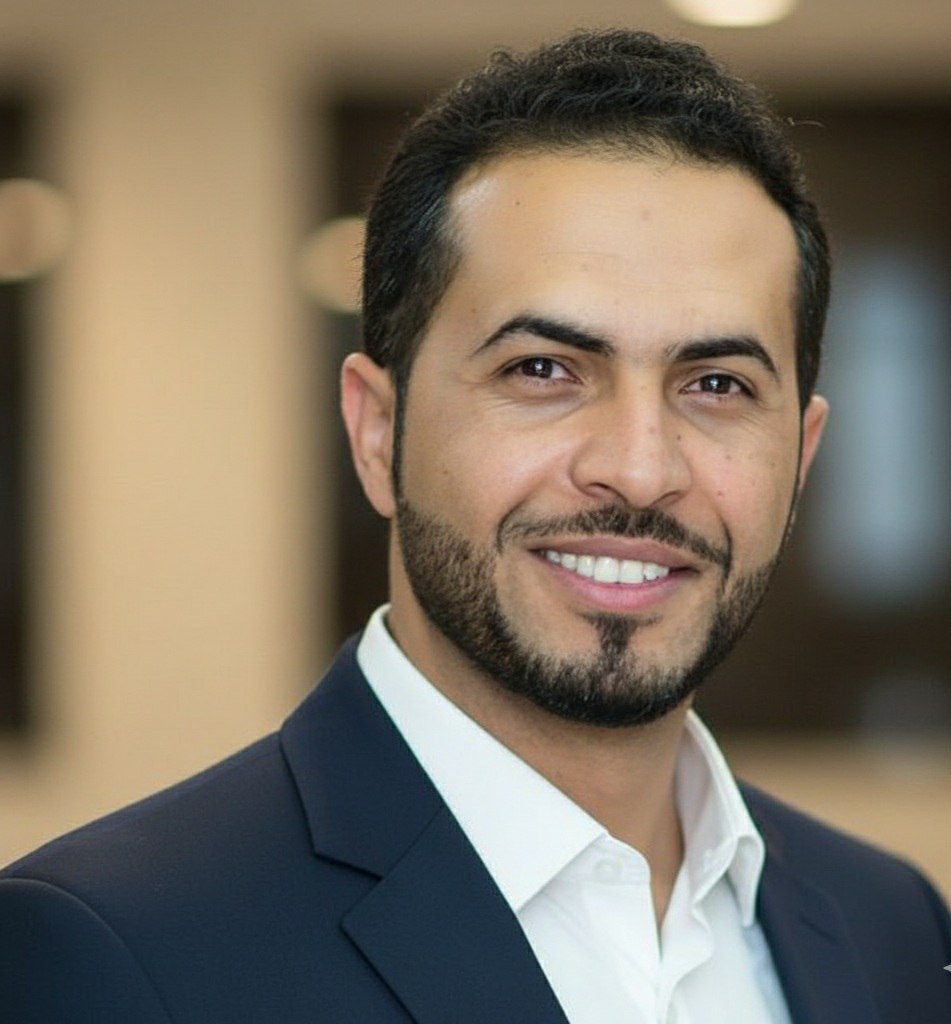
Asco. Prof. Nabeel Taresh
Graduates Attributes
Upon successful completion of this program, graduates will demonstrate:
🔬 Core Medical Knowledge
- •Comprehensive Understanding of Eye Diseases: In-depth knowledge of various eye and visual system conditions, including surrounding structures like the optic nerve and eyelids, with the ability to identify normal and pathological changes.
📊 Research Skills
- •Research Leadership: Ability to lead research projects, apply scientific research principles and statistics to advance knowledge in ophthalmology, and translate findings into clinical practice.
⚕️ Clinical and Surgical Skills
- •Proficiency in Eye Examinations and Surgery: Skilled in performing comprehensive eye exams, diagnosing ocular diseases accurately, and conducting precise surgeries like retinal, corneal, cataract, and strabismus surgery using advanced techniques.
🤝 Teamwork Skills
- •Collaborative Work: Ability to work effectively as part of a multidisciplinary medical team, coordinating with other healthcare professionals and institutions.
⚖️ Professional and Ethical Competencies
- •Professionalism and Ethics: Commitment to maintaining professional and ethical standards, including patient confidentiality and respectful relationships with colleagues.
- •Quality Management: Planning and implementing quality assurance protocols to monitor procedures and devices, and integrating and evaluating data to ensure accuracy and minimize errors.
- •Self-Development: Commitment to ongoing education and professional development to stay current with advancements in ophthalmology.
🛡️ Quality and Safety Commitment
- •Safety in Medical Environment: Applying safety protocols when handling diagnostic equipment and chemicals, and adhering to standard precautions and regulatory guidelines.
- •Quality Assurance: Identifying potential errors and developing solutions, and applying quality management principles in ophthalmology settings.
Intended Learning Outcomes (ILOs)
📚 Knowledge and Understanding (A)
- A1- Demonstrate advanced knowledge of ocular anatomy, physiology, development, and the pathophysiology of common and rare eye diseases.
- A2- Understand ophthalmic pharmacology and the principles of diagnostic and imaging modalities used in ophthalmology.
- A3- Evaluate indications, risks, and expected outcomes of medical and surgical interventions in ophthalmology.
- A4- Apply principles of evidence-based medicine, research methodology, and ethical practice in ophthalmology.
🧠 Intellectual Skills (B)
- B1- Perform comprehensive ophthalmic assessments and accurately diagnose anterior and posterior segment diseases.
- B2- Interpret diagnostic investigations and imaging to support clinical decision-making.
- B3- Manage ophthalmic emergencies and acute vision-threatening conditions effectively.
- B4- Counsel patients appropriately and coordinate care with other medical specialties when required.
🔧 Professional and Practical Skills (C)
- C1- Design and conduct ethically sound research projects in ophthalmology.
- C2- Collect, analyze, and interpret research data using appropriate statistical tools.
- C3- Communicate scientific findings through publications, presentations, and successful defense of a doctoral thesis.
- C4- Translate basic and clinical research findings into practical ophthalmic applications.
🌟 General Skills (D)
- D1- Communicate effectively and professionally with patients, colleagues, and multidisciplinary healthcare teams.
- D2- Present clinical cases and scientific work clearly in academic and professional settings.
- D3- Demonstrate ethical conduct, legal compliance, and accurate clinical documentation.
- D4- Exhibit leadership, teamwork, and commitment to continuous professional development in ophthalmic practice.
