


Program Mission
The mission of the MD in Neurosurgery Program is to prepare competent, ethical, and innovative neurosurgeons through contemporary postgraduate education, advanced clinical training, and scientific research.
Program Aims
The Neurosurgery Medical Doctorate Program at 21 September University aims to:
1
To prepare the candidate to function as a consultant in neurosurgery and as a leader in the field of academic neurosurgery.
2
To actively participate in the development of those candidates as world class neurosurgeons who will share the regional as well as the international community as neurosurgical science educators, researchers, and health care professional providers.
3
To work in teams, share in community focused researches and interests, and committed to life-long learning activities.
4
To offer health care services to the patients using the evidence-based medical knowledge and high-level professional and ethical standards.
Program information
-Study system
Semesters
-coordinator
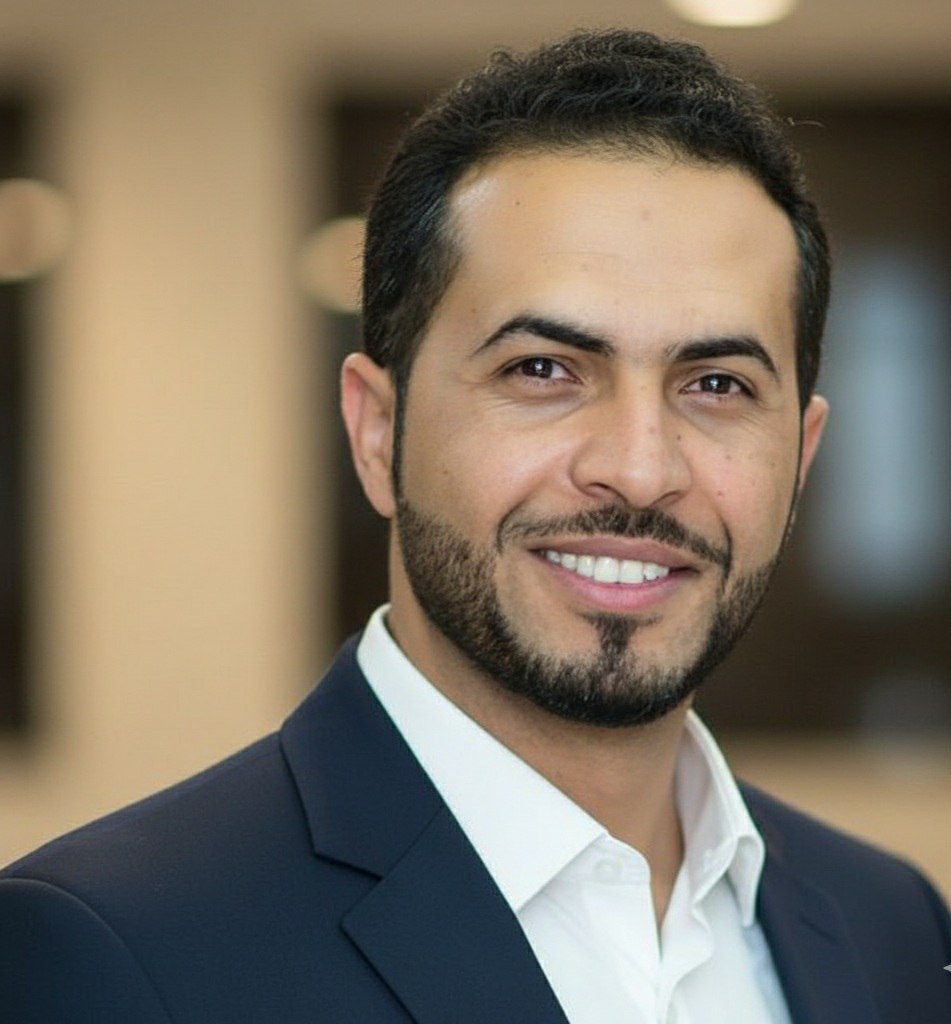
Mohammed Shams Al-Deen
Graduated Attitudes
*Technical and Clinical Skills
- 1. Precision and Coordination:
– Excellent manual dexterity and hand-eye coordination for performing precise and complex neurosurgical procedures. - 2. Critical Thinking and Diagnosis:
– Strong critical thinking and decision-making skills for accurately diagnosing and managing complex neurological cases. - 3. Surgical Proficiency:
– Advanced knowledge and expertise in performing surgical interventions for various neurological conditions. - 4. Specialization in Neurosurgery:
– Specialized skills in specific areas like pediatric neurosurgery, peripheral nerve surgery, neuro-oncology, or spine surgery.
*Personal and Professional Skills
- 1. Composure and Calmness:
– Ability to maintain emotional stability and focus under pressure for calm and accurate decision-making. - 2. Communication Skills:
– Effective communication for interacting with patients, physicians, and healthcare teams to understand cases and plan treatment. - 3. Physical and Mental Endurance:
– High stamina for handling long hours of concentration and physical demands. - 4. Time Management and Organization:
– Efficient time management and task organization to ensure surgeries are completed on schedule. - 5. Continuous Learning:
– Commitment to ongoing education and professional development to stay updated with advancements in neurosurgery.
Intended Learning Outcomes (ILOs)
A) Knowledge and Understanding
- A1-Demonstrate comprehensive knowledge of human neuroanatomy, neurophysiology, and neuropathology.
- A2- Explain the etiology, diagnosis, and management of common neurosurgical conditions (e.g., TBI, brain tumors)
- A3- Apply principles of neurosurgical pharmacology (steroids, antiepileptics, neuroprotective agents).
- A4- Integrate knowledge of medical ethics, patient safety, and healthcare laws in neurosurgery.
B) Intellectual Skills
- B1-Critically analyze clinical/imaging data (CT/MRI) to formulate neurosurgical diagnoses.
- B2-Evaluate scientific literature for evidence-based neurosurgical practice.
- B3-Design treatment plans for complex cases (risks/benefits/alternatives).
- B4-Interpret research findings to advance neurosurgical techniques.
C) Professional and Practical Skills
- C1- Perform basic neurosurgical procedures (e.g., craniotomy, shunt placement) under supervision.
- C2- Demonstrate proficiency in sterile techniques, surgical positioning, and intraoperative monitoring.
- C3-Manage postoperative complications (infections, CSF leaks) and provide critical care.
- C4- Collaborate with multidisciplinary teams (neurologists, radiologists, ICU).
D) General Skills
- D1- Communicate effectively with patients/families/teams in Arabic and English.
- D2- Utilize digital tools (EMR, telemedicine) for patient care.
- D3- Lead health education initiatives on neurological health.
- D4- Adapt to emergency scenarios (trauma, stroke) with rapid decision-making.
